

Last Updated on February 3, 2026 by vitaliy

Before I became a Mindvalley member, I had watched quite a few Mindvalley ads and YouTube clips and thought to myself, “Wait, what did they just promise?”
So if you’re here for a straight, practical mindvalley review that answers the awkward stuff people keep asking, you’re in the right place.
I’m going to walk you through the real reasons these “weird questions” pop up, how to sanity-check big claims, and how to try Mindvalley without learning an expensive lesson.
Why do people ask “weird questions” about Mindvalley in the first place?
People ask weird questions about Mindvalley because the brand sits at a busy intersection: science-sounding language, spirituality, and bold marketing.
That mix can feel life-changing to one person and slippery to another, especially once money, subscription business model details, and refund rules enter the chat.
If you want the short reason, it’s this: the platform sells personal growth like a premium product, so people scrutinize the promises, price, and fine print.
- Big ideas, big language: Words like “quantum,” “intuition,” and “altered states” make skeptics ask for evidence.
- High emotional intensity: Transformation stories can sound inspiring or salesy, depending on your mood and past experience with self-improvement.
- Billing stakes: Auto-renewal, cancellation steps, and refund windows create the highest-stress complaints.
- Public debate culture: Reddit tends to amplify extremes, both love and outrage.
Get $100 off Mindvalley Membership
What Mindvalley mixes together (science words + spirituality + strong marketing) that triggers skepticism
Mindvalley blends educational technology (high-quality video lessons and an app), personal development coaching, and spirituality-flavored language that can sound scientific even when it’s really metaphor.
Here are the ingredients that tend to trigger the most skepticism in Mindvalley claims, and what to do with each one.
- Science-y terms used casually: If a program uses words like “neuroplasticity” or “brain states,” look for a plain-language explanation and a measurable practice you can try for 2 to 4 weeks.
- Spiritual frameworks: If you like yoga, mindfulness, and soul-centered work, treat it like a lens, not a lab result.
- High-production persuasion: Great storytelling can still be honest, but you should separate “this is inspiring” from “this is proven.”
A quick pro-tip: if the sales page promises “instant” change, rewrite it in your head as “a structured practice I still have to do.” That mental edit alone prevents most disappointment.
Is Mindvalley a cult, or just an online learning community?
Most of the time, people describe Mindvalley as a high-energy online community, not a cult.
Still, it’s fair to ask the question, because some personal growth spaces can slide from “motivating” into “controlling,” especially if you’re vulnerable, lonely, or desperate for a turnaround.
The cleanest way to think about it is influence versus control. Learning communities influence you. Destructive groups try to control you.
Before you label anything a scam or a fraud, do a calm check: can you disagree openly, keep outside relationships, and leave without punishment beyond losing access to paid content?
A practical “control check”: Behavior / Information / Thought / Emotion control signs people point to
If you want something practical, use a “control check” based on the BITE categories, then map what you see to actions that protect you.
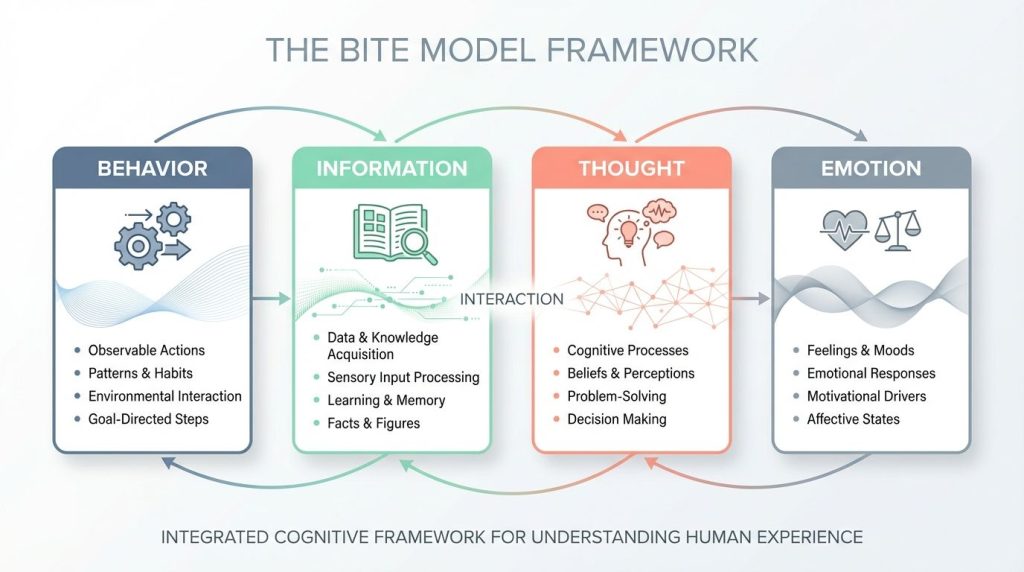
| Category | What it can look like | What you do next |
|---|---|---|
| Behavior | Pressure to buy upgrades to “belong,” or to be “all in” to be accepted | Set a spending cap before you start, and stick to one program at a time |
| Information | Outside criticism gets dismissed automatically, or questions get redirected instead of answered | Cross-check key claims with independent sources, and keep your own notes |
| Thought | Doubt gets labeled as weakness, “low vibe,” or a personal failure | Use a simple rule: if a claim can’t survive questions, don’t build your life around it |
| Emotion | Love-bombing, shame, or fear-based motivation to keep you compliant | Step back for a week, reduce community time, and see how you feel |
Mindvalley is genuinely supportive for millions of people (I’m one of them). Your job is to make sure the format stays healthy for you.
Is Mindvalley a scam, or just expensive self-help with rough billing policies?
In my view, the real risk with Mindvalley usually isn’t “fake content”, but rather mismatched expectations.
Fans praise Mindvalley courses, teaching style, and production quality, with popular teachers including Jim Kwik and Marisa Peer.
Critics focus on refund frustration, subscription auto-renewal surprises, and support loops, especially when someone tries to cancel fast.
Mindvalley has a 15-day refund window for new web purchases, renewals as non-refundable, and refunds that can take about 7 to 14 business days to process.
| What you’re buying | What to watch | Low-drama move |
|---|---|---|
| Mindvalley membership | Auto-renewal and renewal charges | Cancel auto-renewal right after you join, then keep learning until your term ends |
| Paid courses and quests | Refund deadline and access rules | Start the program immediately so you can judge it inside the refund window |
| In-app purchase | Different refund rules | Buy through the website if you want Mindvalley’s published refund process |
- Take screenshots of your Payment confirmation and cancellation confirmation screen.
- Set two calendar alerts: one halfway through the trial, one two days before renewal.
- Save every Email receipt in a folder you can find fast.
Course quality praise vs. billing/refund/cancellation anger
This is the most honest way to describe it: people can love the learning and still hate the money part.
On Trustpilot in early January 2026, Mindvalley shows a 4.1 out of 5 rating based on thousands of reviews, but the newest one-star posts often focus on billing and cancellation and not the course quality. I find this to be the case with many online programs: people sign up for a free trial, forget to cancel, and then get mad about it.
Will Mindvalley “open your third eye,” or is that just a label for intuition training?
People ask this because some Mindvalley courses talk about intuition, altered states, and “third eye”.
Here’s the grounded translation: most of what you can realistically gain is better attention, calmer stress response, and clearer decision-making, not verified paranormal powers.
When programs mention “alpha” or “theta,” they’re often pointing at relaxation and imagery practice. Common EEG references describe alpha as roughly 8 to 12 Hz, and theta as roughly 4 to 7 Hz, which is a helpful shorthand, not a magic portal.
Realistic wins:
- You notice emotions faster, and you pause before reacting.
- You get better at pattern-spotting in your own habits.
- You build a repeatable 20-minute daily practice that supports mindfulness.
If you want to test this, pick one technique and track one outcome for four weeks, like sleep quality, stress rating, or consistency.
What Silva-style “alpha/theta” training can realistically do, vs. ESP claims that fall into pseudoscience
Silva-style training traces back to José Silva’s method, a self-help system that also includes ESP-style claims in some versions.
Mindvalley’s Silva Ultramind-style lessons often focus on relaxation, guided visualization, and habit work, which can feel powerful because you’re practicing attention on purpose.
Try a practical experiment instead of debating the label:
- Pick a problem you can measure (focus time, sugar cravings, morning routine).
- Do one exercise daily for 14 days.
- Write one sentence after each session: “What did I do today because of this?”
- If nothing changes, you learned something valuable, too.
Can “Quantum Jumping” actually change reality, or is it guided visualization with physics words on top?
Quantum Jumping is best understood as guided visualization dressed in physics words.
Used that way, it can be a strong motivation tool: you rehearse identity, build confidence, and generate options when you feel stuck.
Mindvalley’s Quantum Jumping is a program created by trainer Burt Goldman. If you’re tempted by the “parallel universe” story, here’s the safer move: keep the imagination, then require real-world actions that prove value.
- After every session: take one small action within 24 hours.
- Weekly: review your notes and circle what actually changed in your behavior.
- Monthly: decide if the program helped you implement daily practices, not if it felt mystical.
The honest translation: motivation + identity rehearsal vs. literal parallel-universe skill transfer
Here’s the translation I use when people ask if it’s “real.” You can treat Quantum Jumping like a creative exercise that helps you access ideas and confidence.

| What the marketing can sound like | What you can safely test |
|---|---|
| “Meet an alternate you and gain abilities” | Leave with one concrete strategy you can practice this week |
| “Quantum physics makes this possible” | Notice if visualization reduces fear and increases follow-through |
| “Instant transformation” | Track results over 2 to 4 weeks, like any personal development course |
If you want a structure that keeps visualization honest, pair it with the WOOP method from psychologist Gabriele Oettingen: Wish, Outcome, Obstacle, Plan. That “Obstacle” step stops fantasy from replacing action.
Is Mindvalley MLM-ish, or is it just aggressive affiliate-style marketing?
Mindvalley uses promotions and affiliate-style Marketing, which can feel pushy if you hate sales funnels.
That said, an MLM usually involves multi-level recruiting where people earn based on a downline. A typical affiliate model pays for direct referrals.
Full disclosure: I’m a Mindvalley affiliate, so if you use links on this website, I might receive a commission. However, I’ve been a member of Mindvalley for over 6 years, I still take their courses regularly, and I truly think it’s the best online learning platform for personal development. I would never recommend any service I don’t believe in.
Is Mindvalley “brainwashing,” or is it habit design and persuasion mechanics?
Most of what people call “brainwashing” in modern apps is really habit design: streaks, reminders, challenges, and social accountability.
Mindvalley leans into this with their courses and structured daily practice. For the right person, it’s motivating. For the wrong person, it can feel like pressure.
A simple way to keep it healthy is to control the container, not the content.
- Choose one program, one goal, one 20-minute daily session.
- Limit community scrolling to a set time window.
- Turn off notifications that trigger anxiety or FOMO.
Quests + Tribes + streaks: healthy accountability for some, pressure and echo-chamber feel for others
Quests and streaks can help you implement daily routines because they make progress visible.
Tribes and group spaces can add compassion and encouragement, but they can also amplify a single narrative if nobody challenges ideas politely.
Try this boundary plan for your first month.
- Week 1: Do the lessons solo, no community, just to see if the teaching style works.
- Week 2: Join the community, but only post once, and only if it supports your learning.
- Week 3: Notice pressure points, then reduce exposure to what triggers you.
- Week 4: Decide if the format supports personal growth or drains you.
If you feel worse over time, that matters. A learning platform should challenge you, not shrink you. For instance, I choose not to post anything in the tribe when I’m taking a Quest. This way works better for me.
What’s the most common “spiritual hypocrisy” complaint people make (and why it sticks)?
The complaint that sticks is rarely about spirituality language. It’s about refund and support experiences that feel misaligned with “we’re here to help you” messaging.
When someone feels ignored during a billing issue, it can poison everything, even programs they previously found life-changing.
Refund denials + support loops + “lifetime access removed” stories: why these create lasting distrust
Refund stories tend to cluster around the same moments: missed deadlines, confusion about where to cancel, and disputes over renewals.
Mindvalley’s policy for online purchases emphasizes a 15-day refund window for initial purchase, with renewals labeled as non-refundable, so the decision point is early.
If you’re going to test Mindvalley, treat the first two weeks like an evaluation sprint. Use the platform every day, document your steps, and decide fast.
What’s the best way to try Mindvalley without getting burned?
If you’re curious, you can try Mindvalley in a way that keeps you calm and in control.
Buy on the Mindvalley website so your payment record and refund path match their policies. Then treat the first 15 days as your decision window.
Here’s a simple two-week test that works well for most people:
- Pick one goal: sleep, focus, relationships, Money habits, or mindfulness.
- Pick one Quest: do not stack programs.
- Do the 20-minute daily practice: track it like a workout.
- Write one weekly recap: what changed, what didn’t, what felt salesy, what felt useful.
You don’t need to fight the big claims. You just need to test whether the platform’s focus helps you implement daily change.
The safety protocol: buy online, set calendar alerts, screenshot cancellation, and treat big claims as optional story, not fact
This is the safety protocol I’d use if a friend asked me how to try Mindvalley without regret.
- Buy though the website: keep your receipt and plan details easy to find.
- Set two alerts: one at day 10, one at day 13, so you have time to decide.
- Screenshot everything: purchase, billing page, cancellation confirmation, and any refund confirmation.
- Track your card: note charge dates and watch for auto-renewal.
- Stay grounded: treat “quantum,” “third eye,” and similar language as metaphor unless you see clear, testable outcomes.
That being said, I haven’t heard of anyone having issues when cancelling a Mindvalley subscription within the 15-day window.
Final verdict: is Mindvalley worth it in 2026?
Yes, Mindvalley can be worth it if you treat it like an online learning platform, pick one goal per Quest, and respect the billing rules.
It’s definitely not a scam, but it can become an expensive annoyance if you join impulsively, ignore membership costs, and miss the refund window.
- Worth it: you like structured 20-minute lessons, you want personal growth, and you’ll actually practice.
- Probably not: you dislike community pressure, you’re not ready to commit to daily lessons, or you want hard scientific proof for every spiritual label.
FAQs
1. Is Mindvalley a cult or a legit company?
Mindvalley is a legit company that sells personal growth programs and has a large community, though some critics call parts of its style cultlike (as a long-time member, I don’t agree with this claim). Check facts, inspect course content, and judge by how they run business and support learners. Despite the ongoing controversies surrounding Mindvalley’s practices, many members find value in the community and personal development offerings. As with any organization, it’s essential to weigh the benefits against the criticisms presented. Engaging with varied perspectives can lead to a more informed understanding of what Mindvalley has to offer.
2. Are Mindvalley courses worth the cost?
It depends on your goals, budget, and how you learn; many people report strong results while others do not. Read independent reviews, try free previews or a trial, and compare cost to other courses before you buy. For me, the answer is yes, it’s 100% worth it. For less than a dollar a day, I learn so much.
3. Do Mindvalley coaches have solid credentials?
Most of them are known authors, coaches, or experts, but credentials vary by program. Look up each teacher, read bios, and verify claims with outside sources.
4. How do I handle weird promises and claims?
Treat bold promises with healthy doubt and test them fast, use previews and the community to gather real feedback. Check refund rules, ask coaches direct questions, and focus on clear outcomes you can measure.